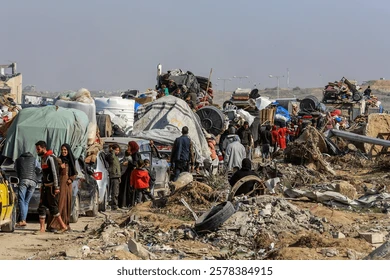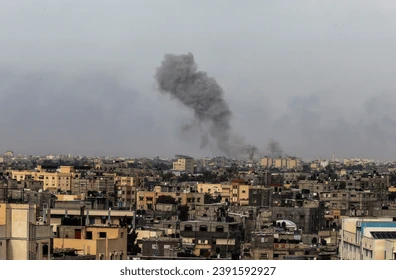
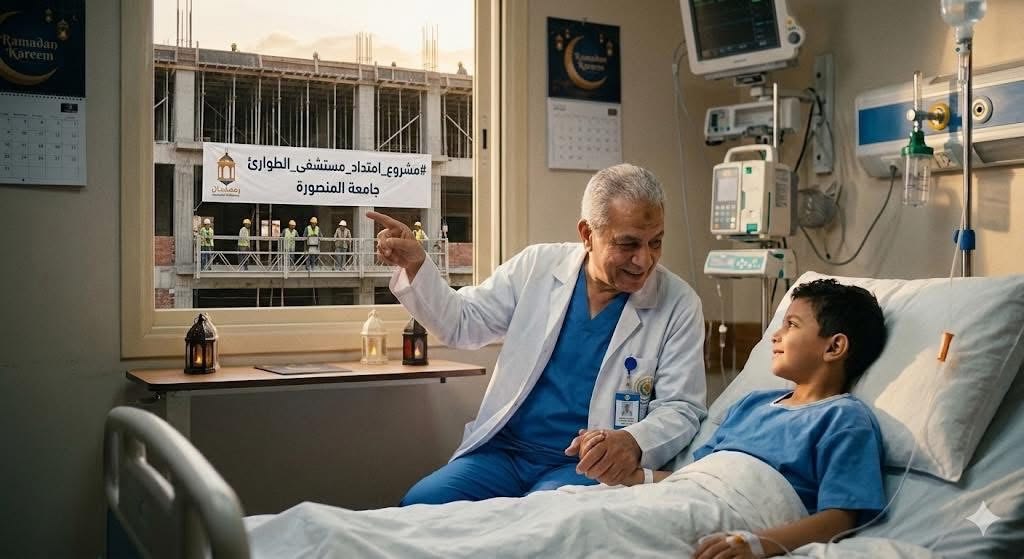
Gaza Family Clinic Relief
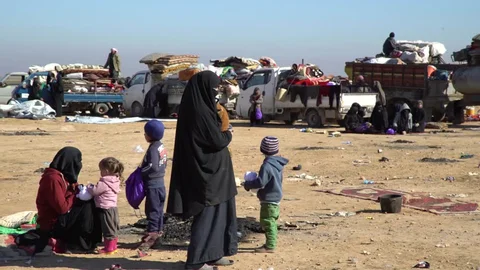
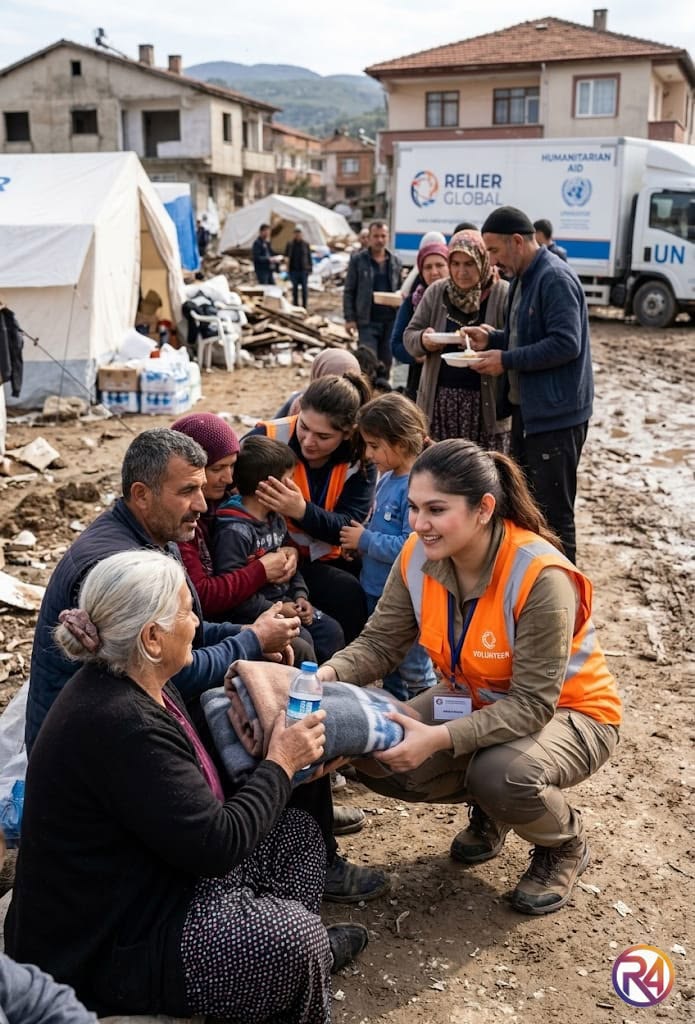
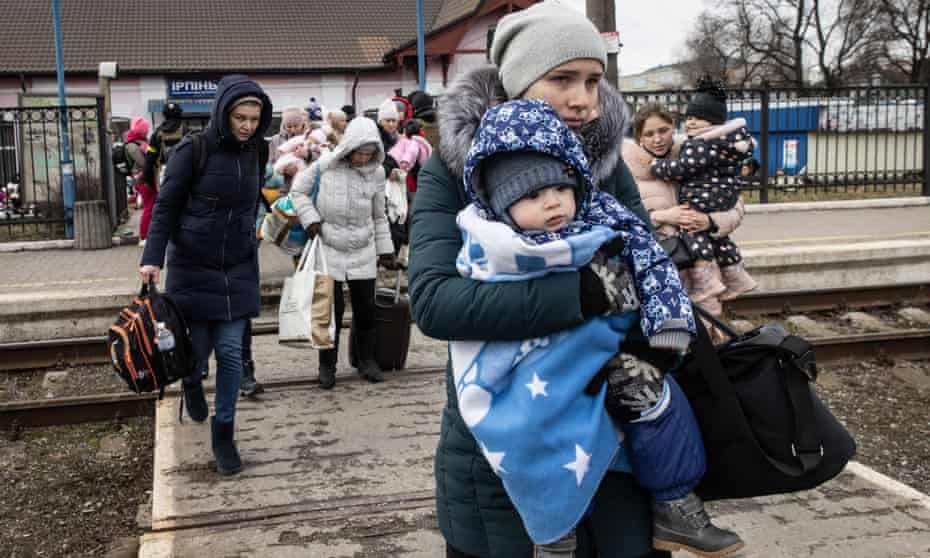
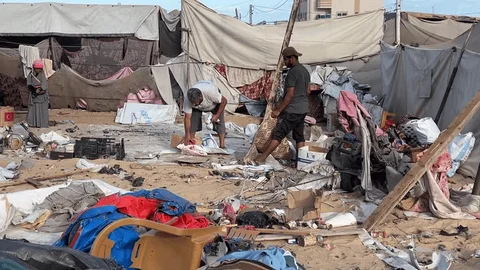
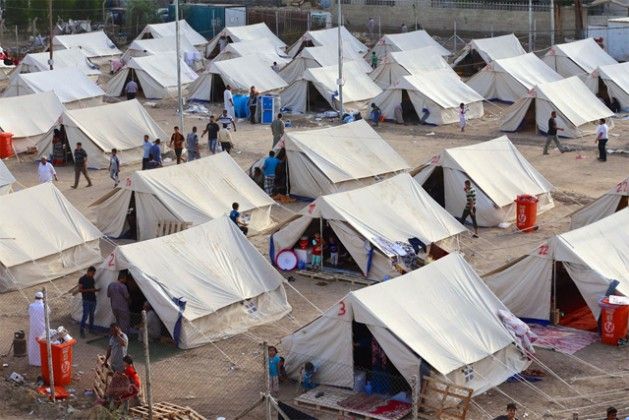
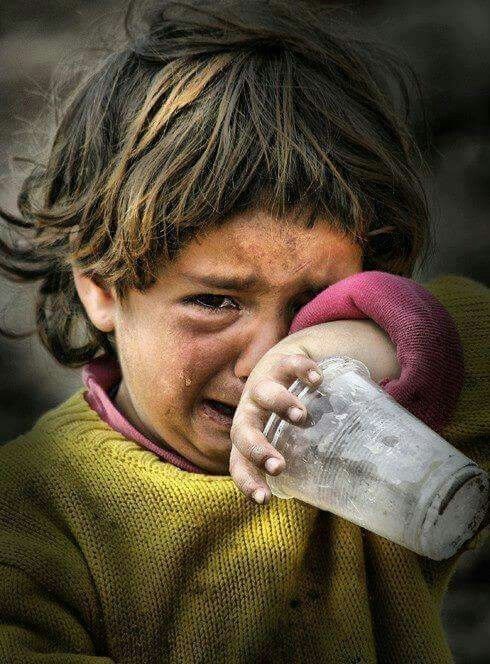
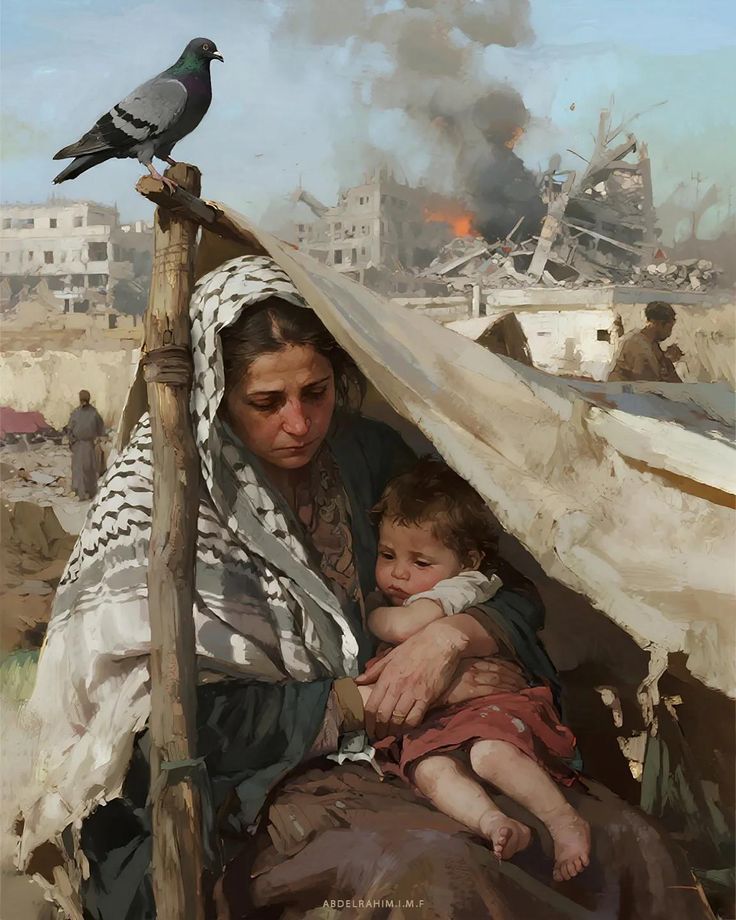
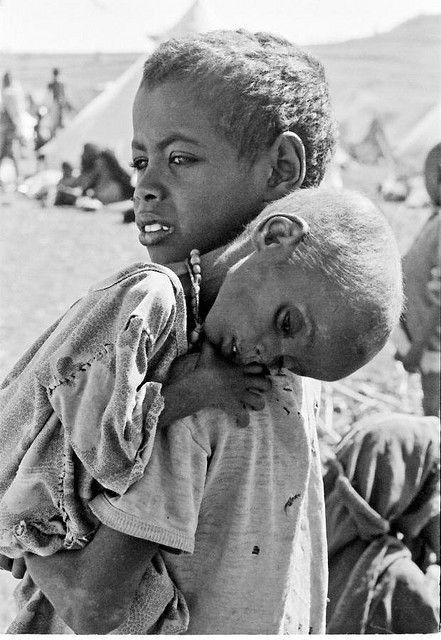
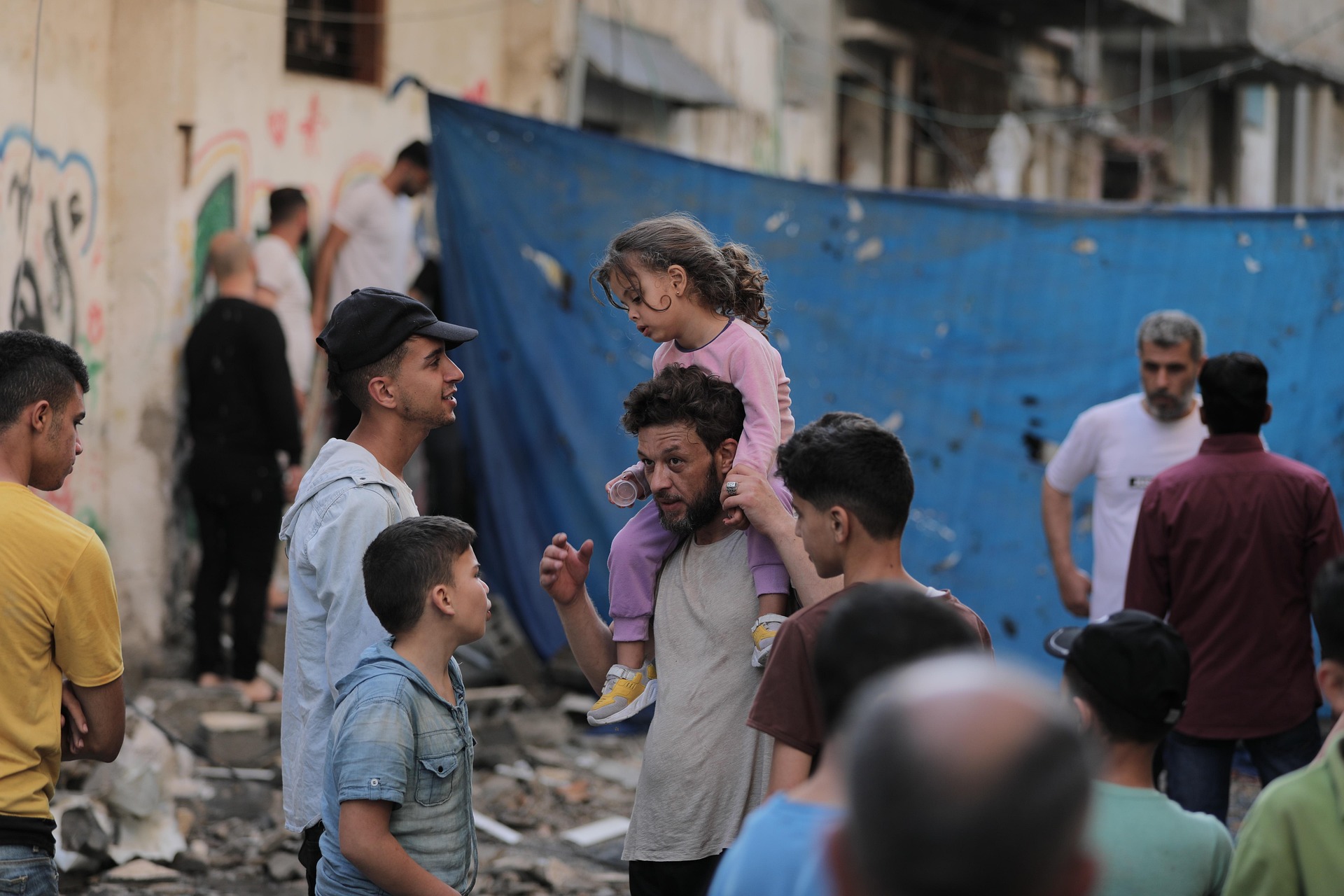
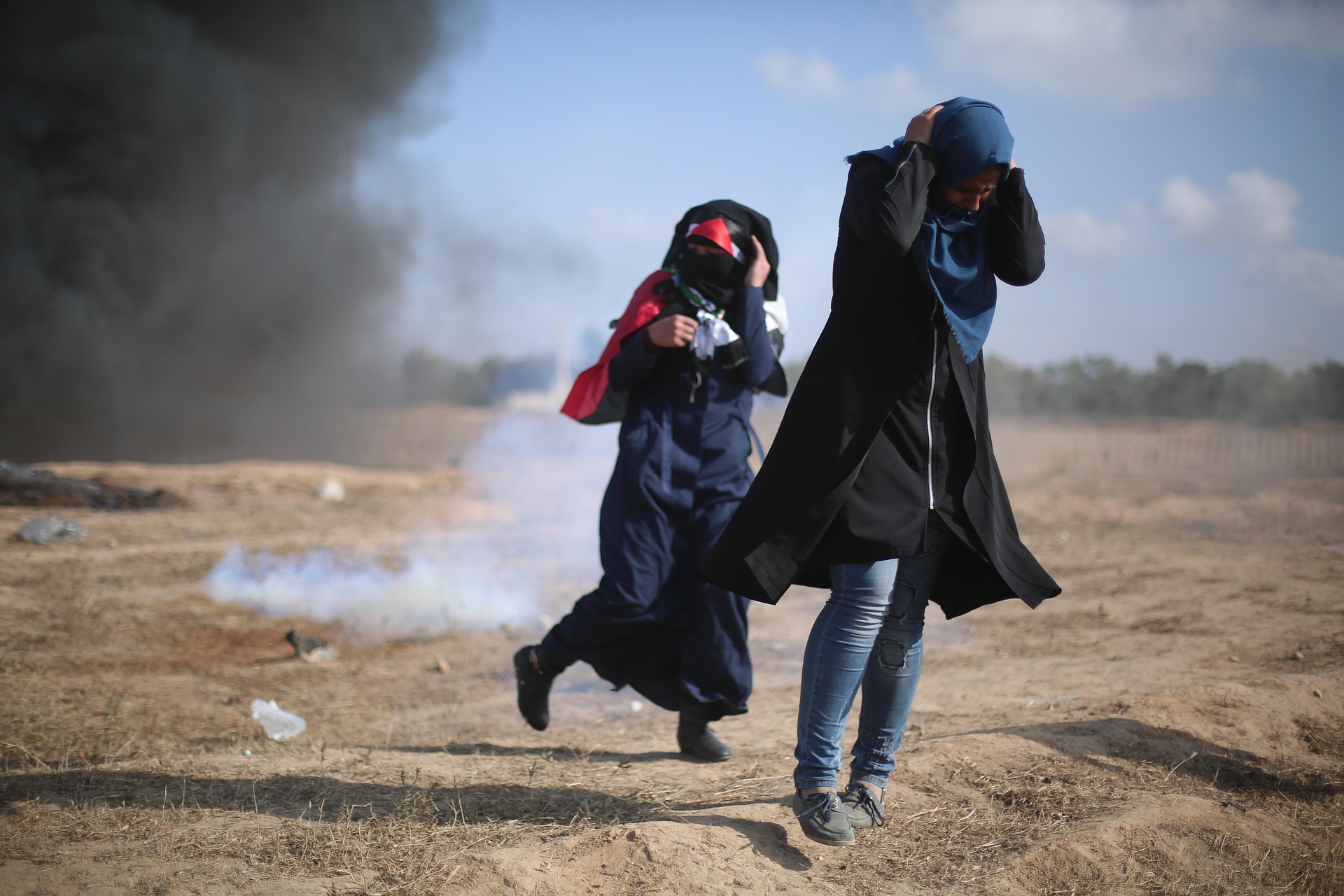
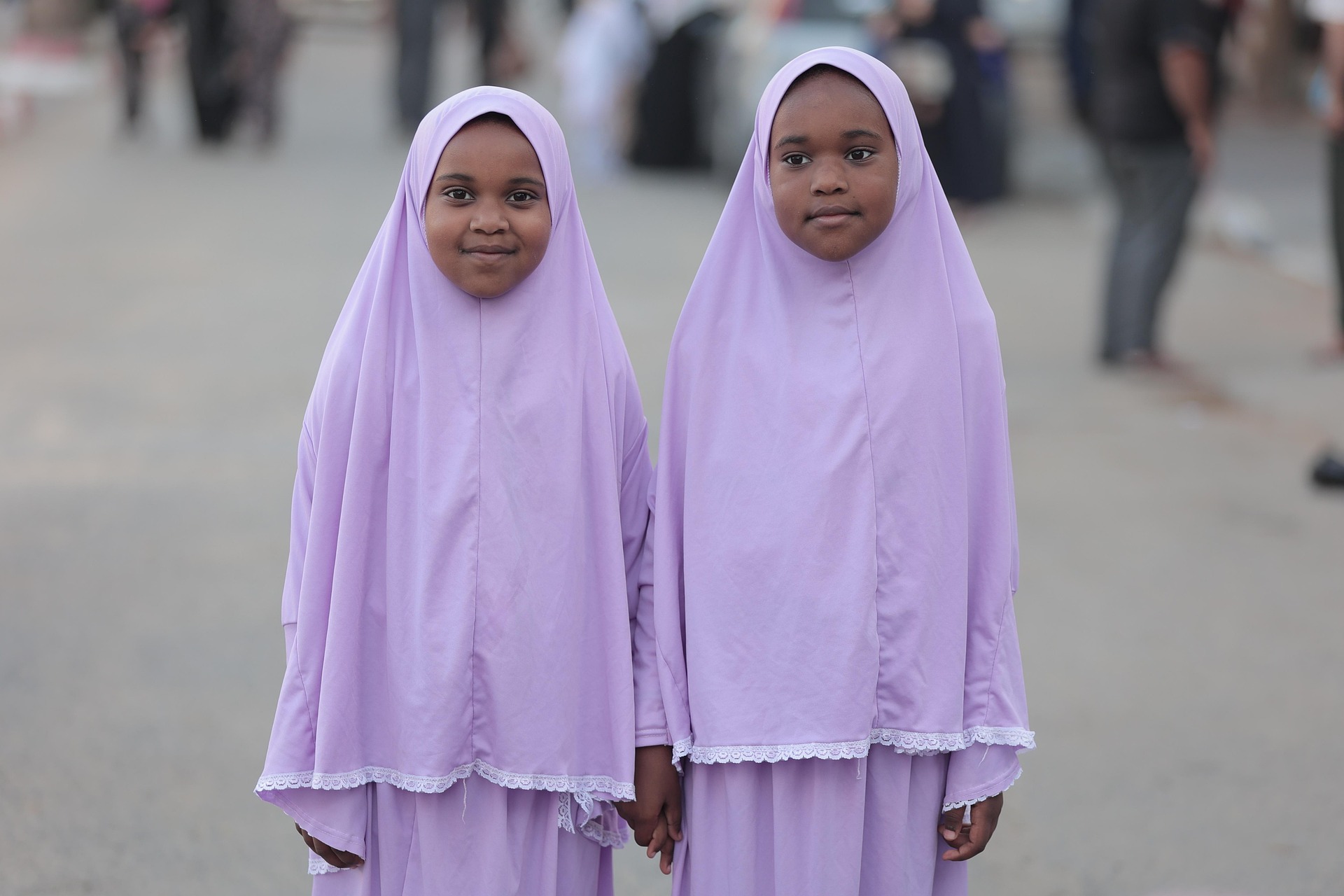
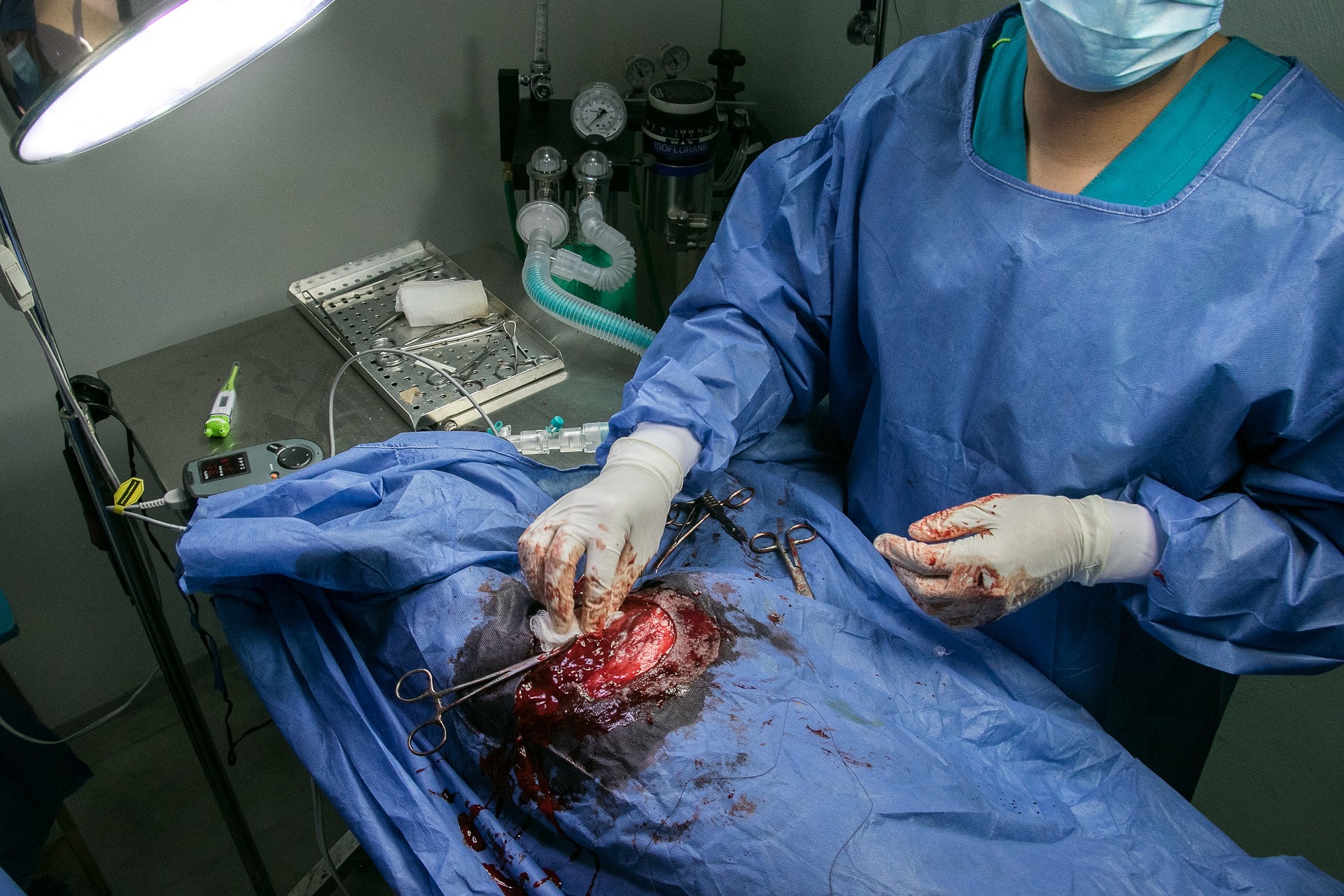
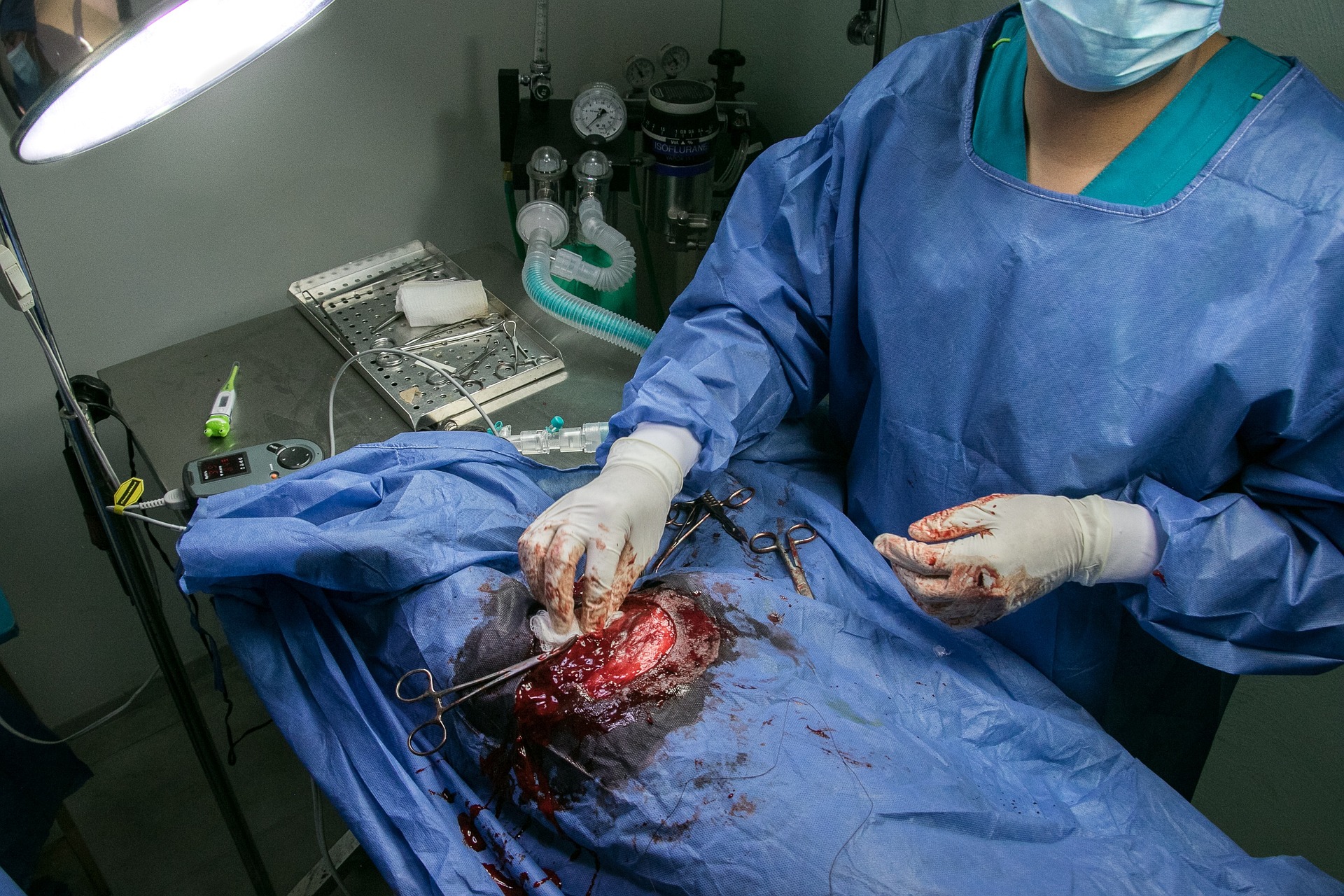
$64,850 raisedPartner medics supplied wound care, medicine, clean water, and safe transport for displaced families.
Completed impact
Browse completed medical, shelter, feeding, emergency, and humanitarian support projects funded through HopeBridge partners and donors.
Each card shows the outcome, completion month, and measurable support delivered to beneficiaries.
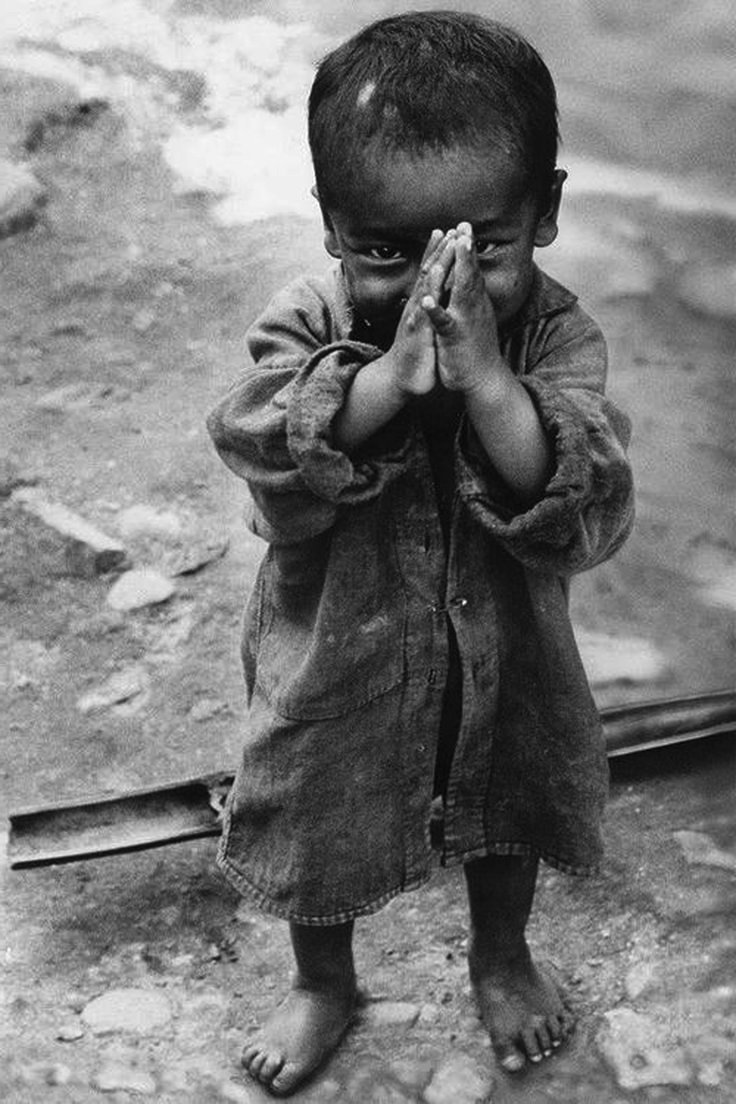
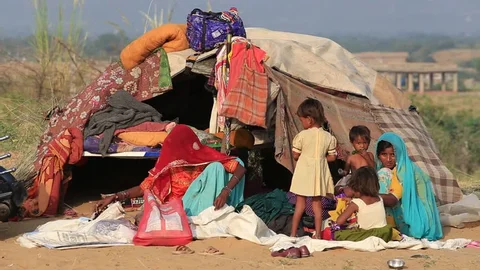
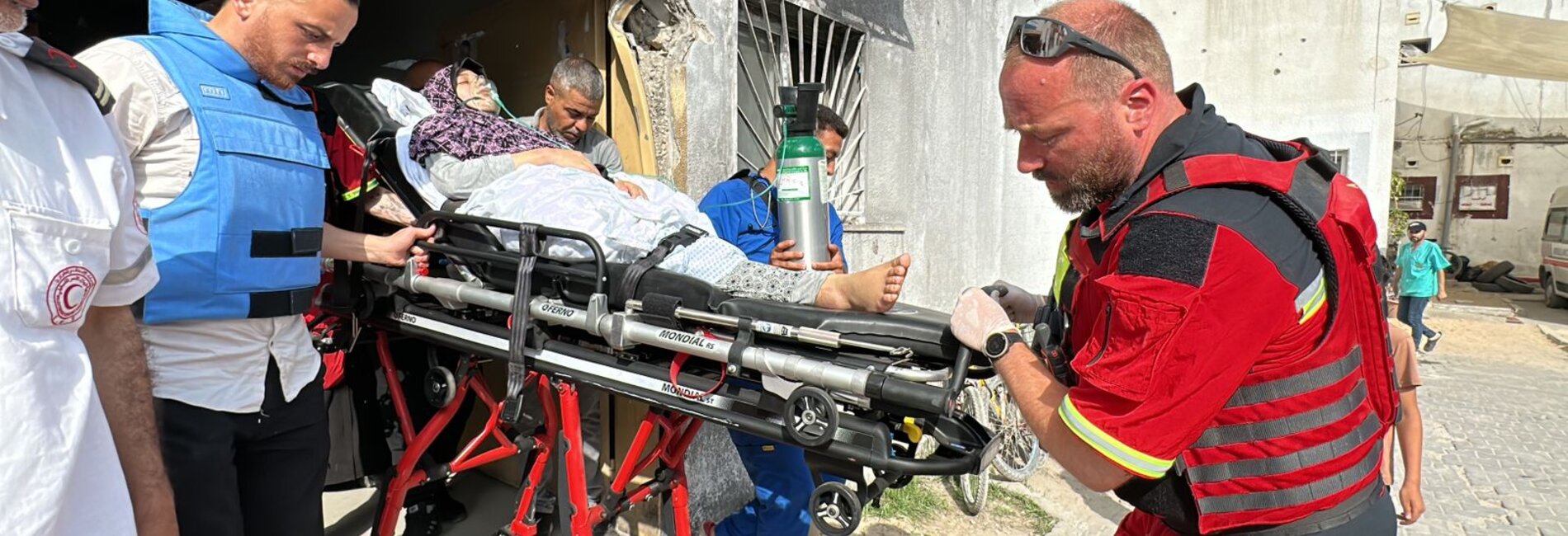
Partner medics supplied wound care, medicine, clean water, and safe transport for displaced families.
Chemotherapy cycles, nutrition support, and pharmacy bills were funded through verified donor records.
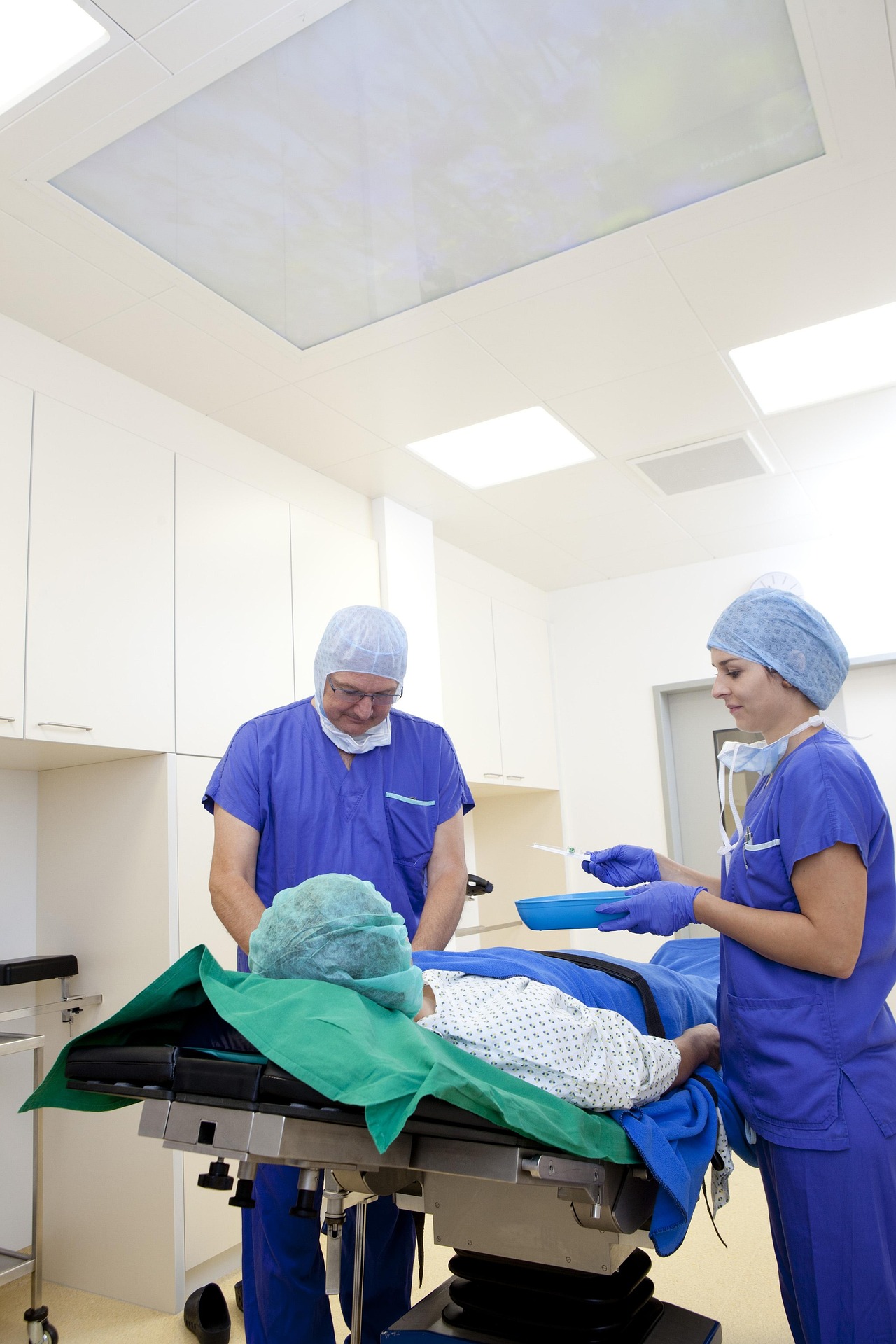
The theatre deposit, surgical supplies, and post-operative medication were covered before discharge.
Dialysis sessions, transplant tests, and admission fees were paid directly to care providers.
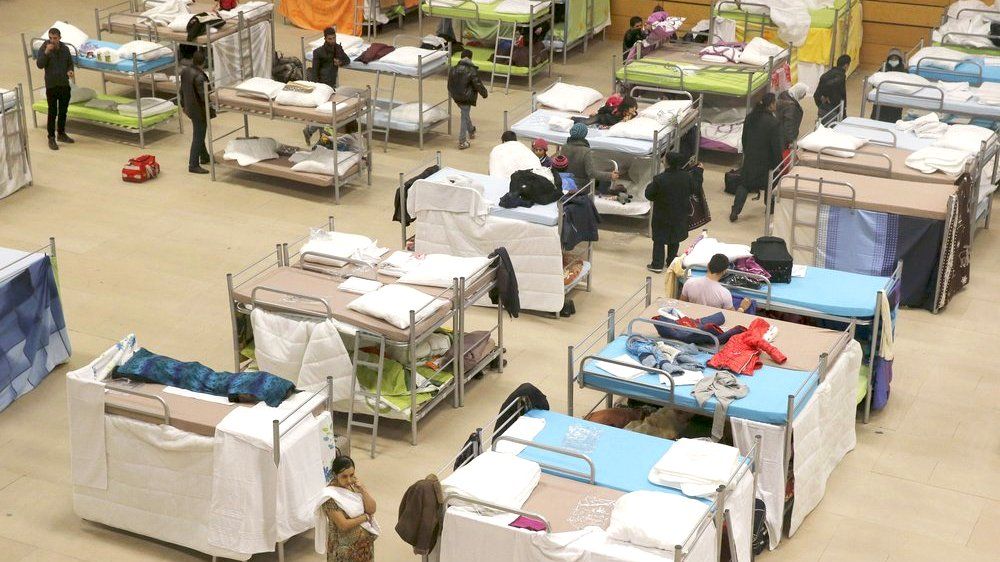
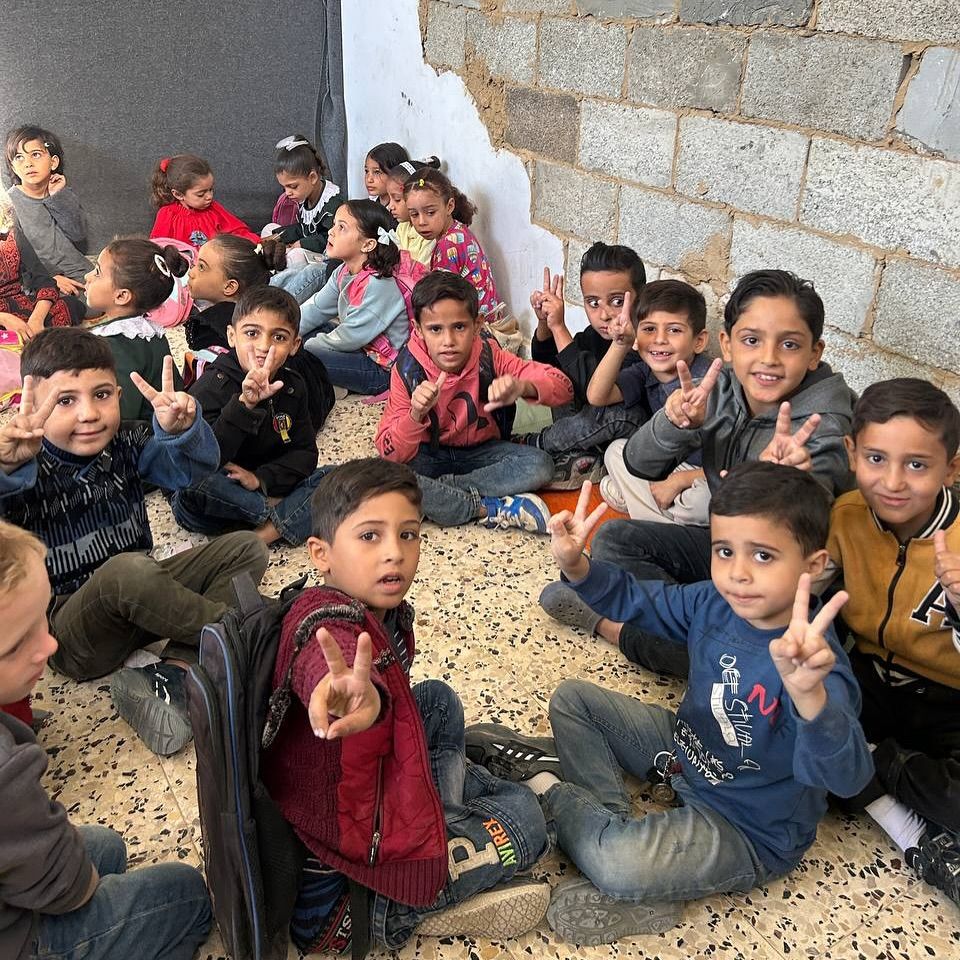
Temporary rooms, bedding, hygiene packs, and care coordination supported displaced children.
Reliable hospital rides helped patients attend scans, chemotherapy, and follow-up appointments.
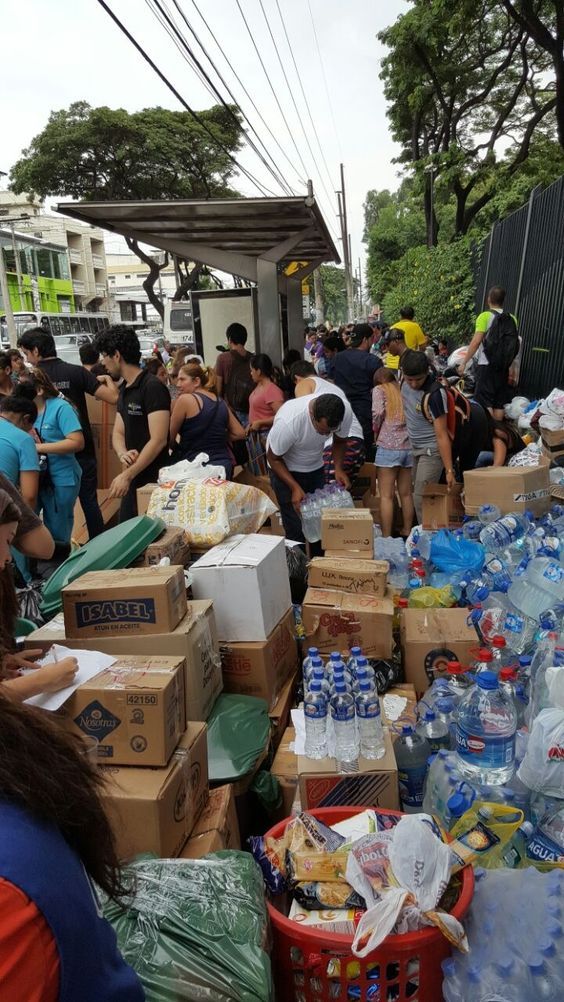
Emergency kits, clean-water tablets, nets, and clinic consumables reached flood-affected families.
Caregiver households received high-nutrition food baskets during treatment and recovery weeks.
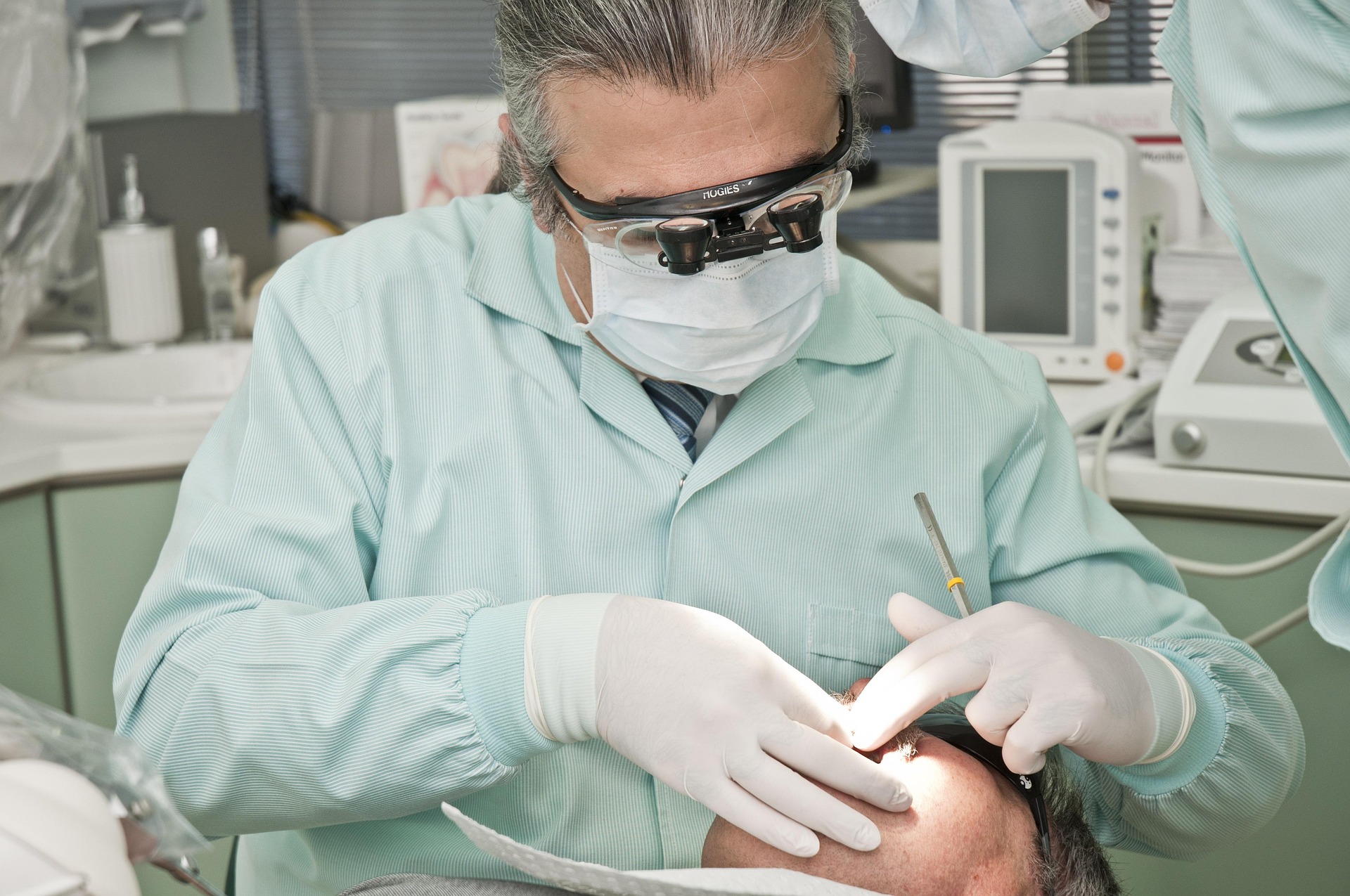
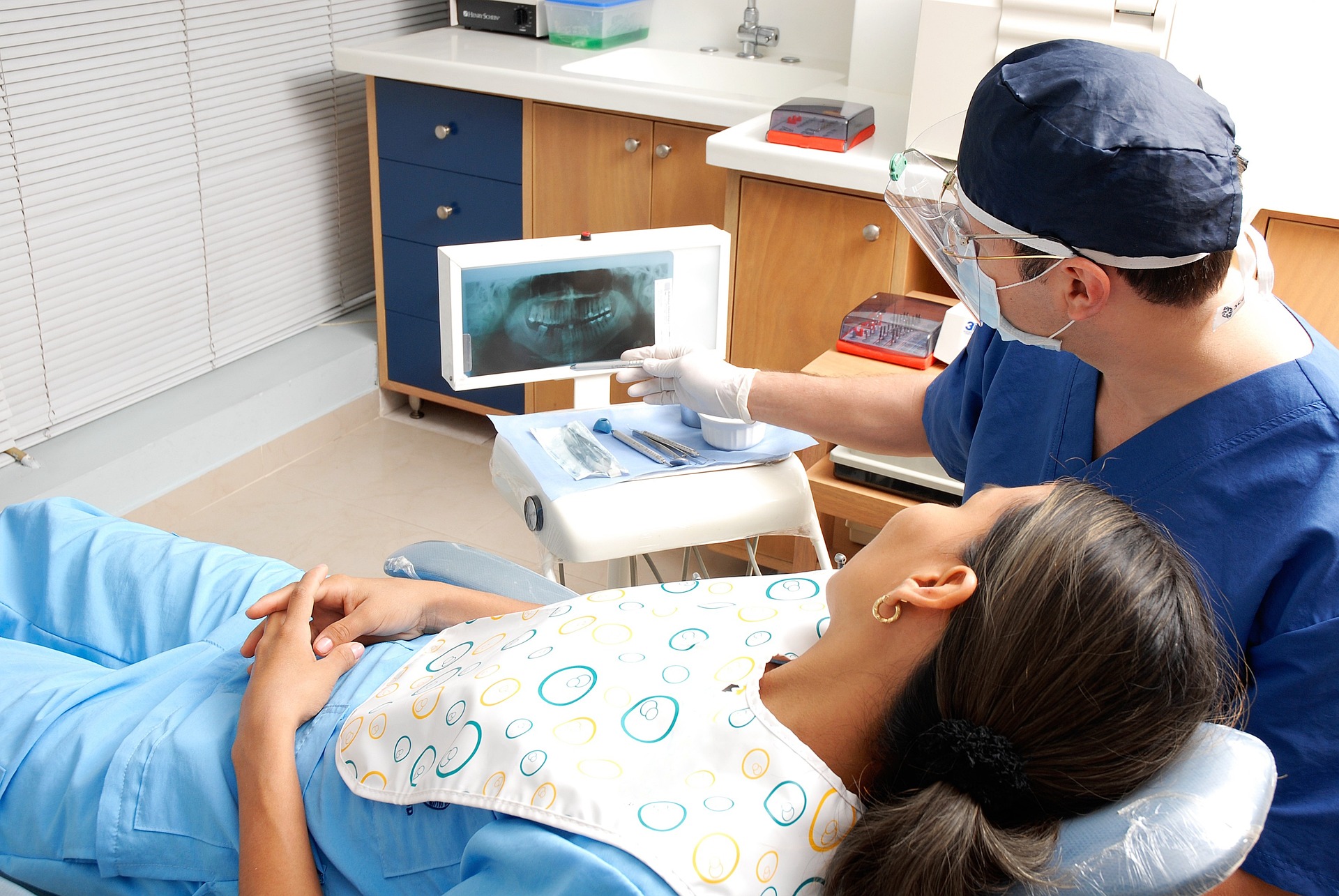
Dental imaging, specialist treatment, medication, and follow-up transport were fully covered.
A wheelchair, physiotherapy sessions, and home-access support restored safer mobility.
Clinic partners reached underserved children with transport support and essential preventive care.
Ambulance transfers, oxygen support, and hospital intake deposits moved critical patients faster.
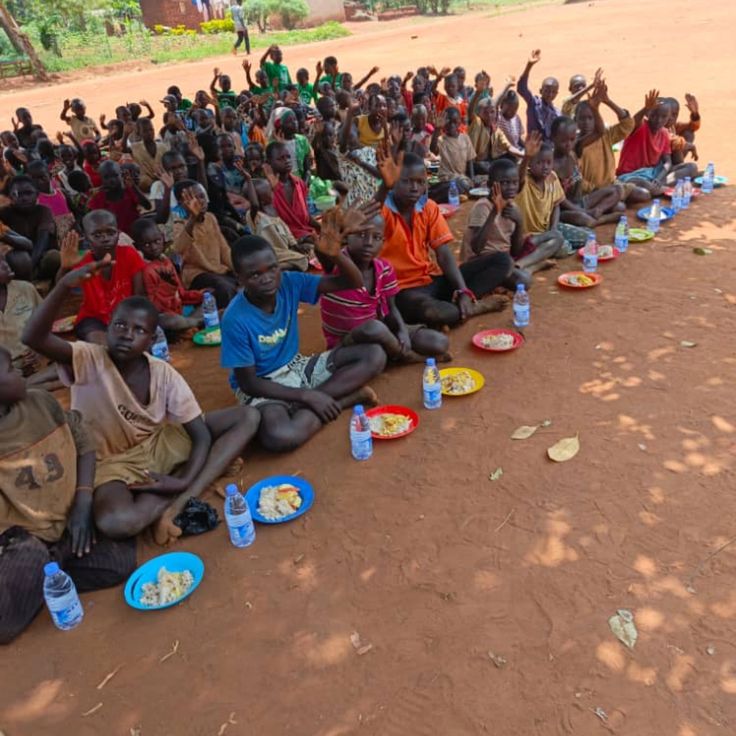
Food packs, pediatric checkups, and caregiver support were delivered through relief partners.

Dialysis, monitoring labs, medication, and treatment transport kept care on schedule.
Surgery fees, blood work, medication, and newborn essentials were paid for a safe recovery.
Recovery beds, wound-care materials, hygiene kits, and home checks were completed.
Medication continuity, mobility support, and food assistance reached older displaced residents.
Admission, surgery supplies, recovery medicine, and family lodging were funded.
Gloves, disinfectant, triage materials, and wound-care supplies were stocked for partner clinics.
Scheduled rides reduced missed appointments for radiotherapy, chemotherapy, and medical reviews.
Weekend screening booths reached workers who could not attend weekday hospital clinics.
A shared transport schedule reduced missed appointments for families outside Abuja.
Lab fees were cleared for patients awaiting treatment-plan confirmation.
Children received nutrition support, blood tests, and family counselling services.
Dietitian-approved meals were supplied to patients with appetite loss during care.
Verified hospital bills were settled directly with the treating facility.
Long-distance travel grants helped patients keep specialist appointments.
Essential medicines were purchased in bulk and distributed through clinic partners.
Community health workers screened residents and documented urgent referrals.
Rent, groceries, and school support stabilized families during intensive treatment.
Diagnostic bottlenecks were cleared for patients awaiting final oncology review.
Small treatment grants helped families complete cycles already underway.
Comfort kits, hygiene supplies, and post-care instructions reached recovering patients.
Prescription gaps were closed for patients beginning second-line medication.
A mobile team brought screening, education, and referrals to underserved communities.
Families traveling for care received clean lodging near partner hospitals.
Post-treatment review costs were funded so patients could complete clinical monitoring.
Partner wards received gloves, disinfectant, bedding, and patient comfort items.
Survivors received counselling, nutrition coaching, and peer-support sessions.
Treatment and family support grants reached patients affected by displacement.
MRI and CT scan appointments were funded for patients awaiting diagnosis.
Operating-room deposits and post-operative medications were covered for urgent cases.
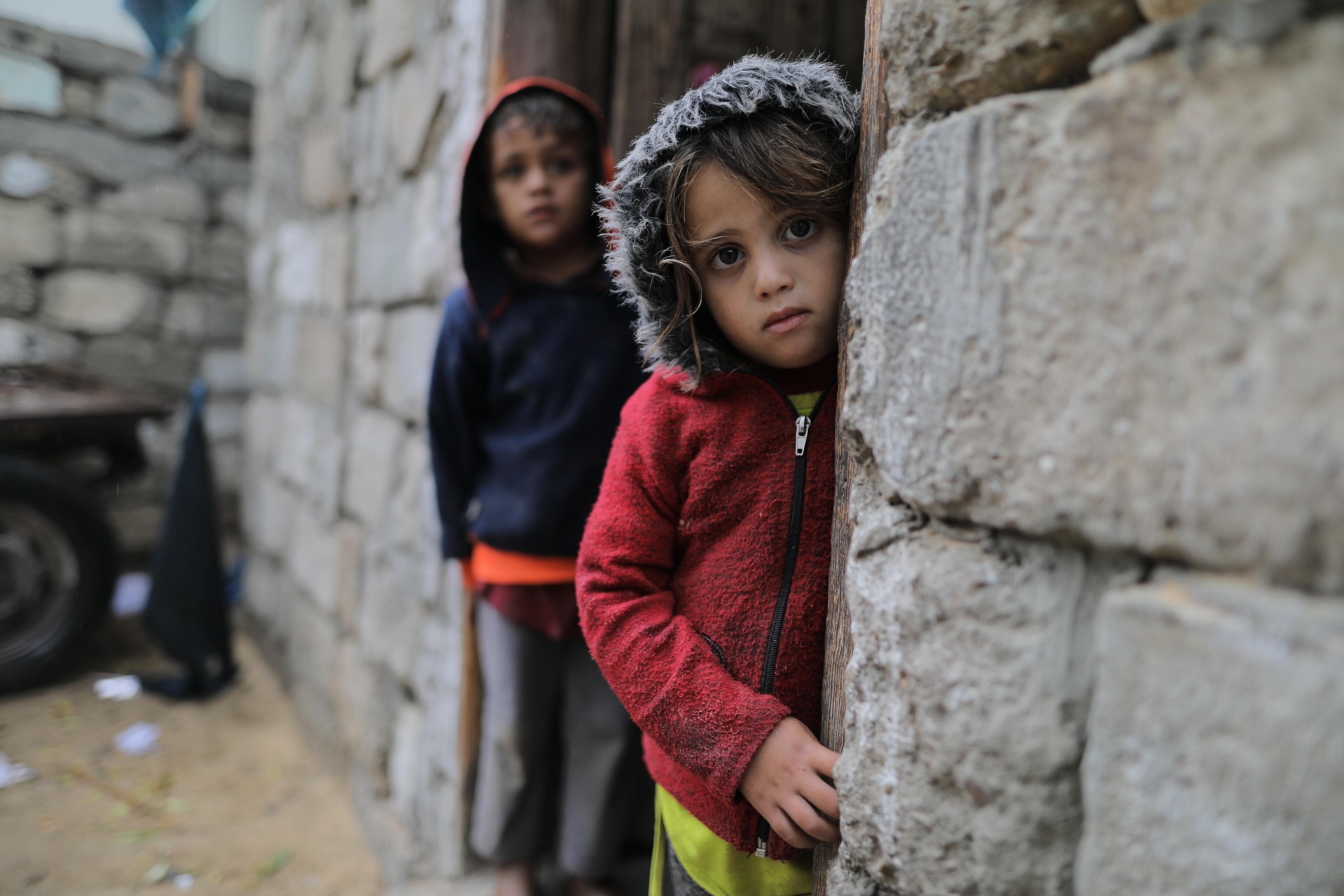
Families received emergency food, transport, and communication support during admissions.
Pharmacy vouchers helped patients continue prescribed medication without interruption.
Local volunteers registered residents for screening and follow-up calls.
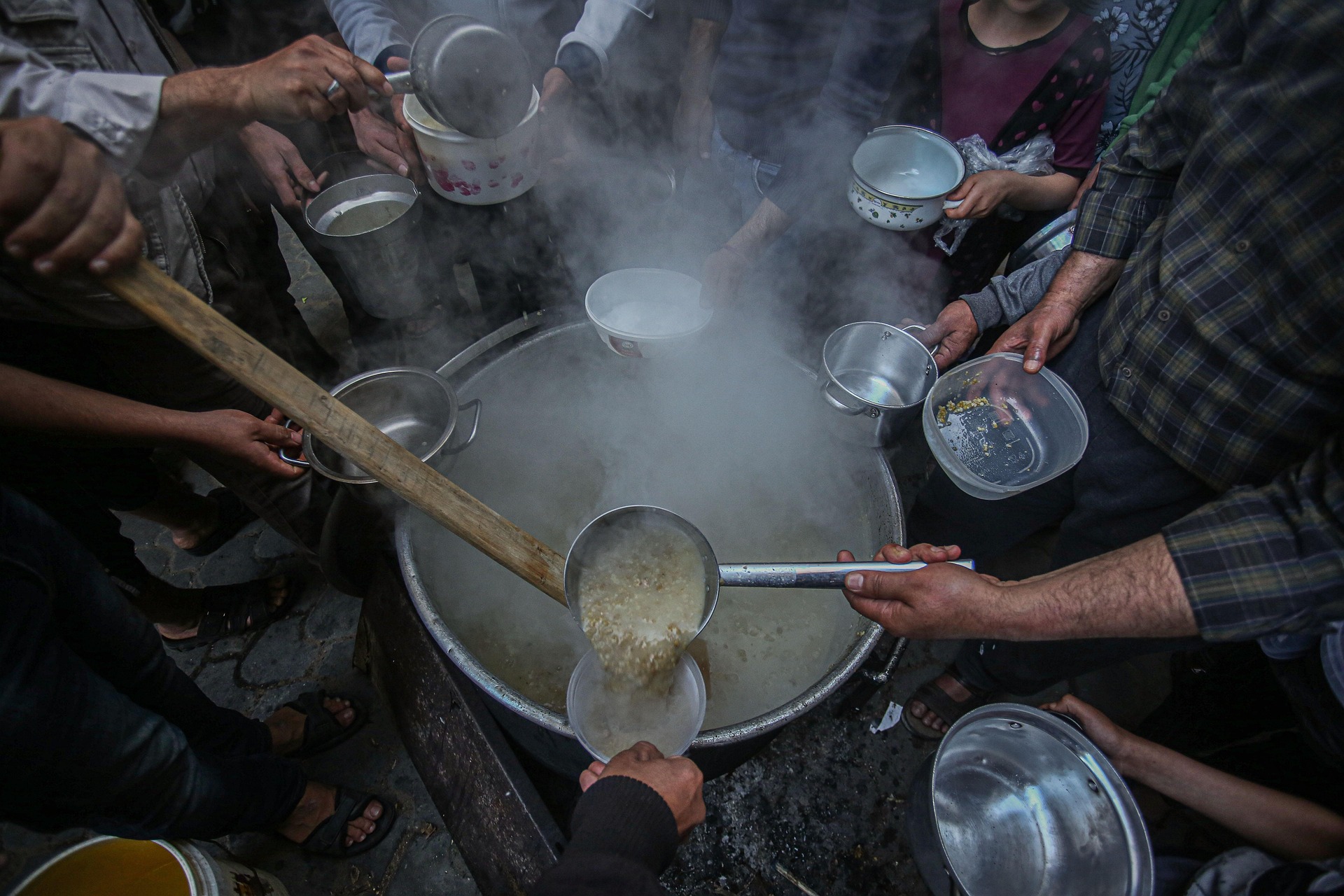
Treatment-cycle costs were paid directly to the hospital for verified patients.
Rural patients received travel stipends and appointment reminders.
Emergency support covered consultation fees, tests, and immediate prescriptions.
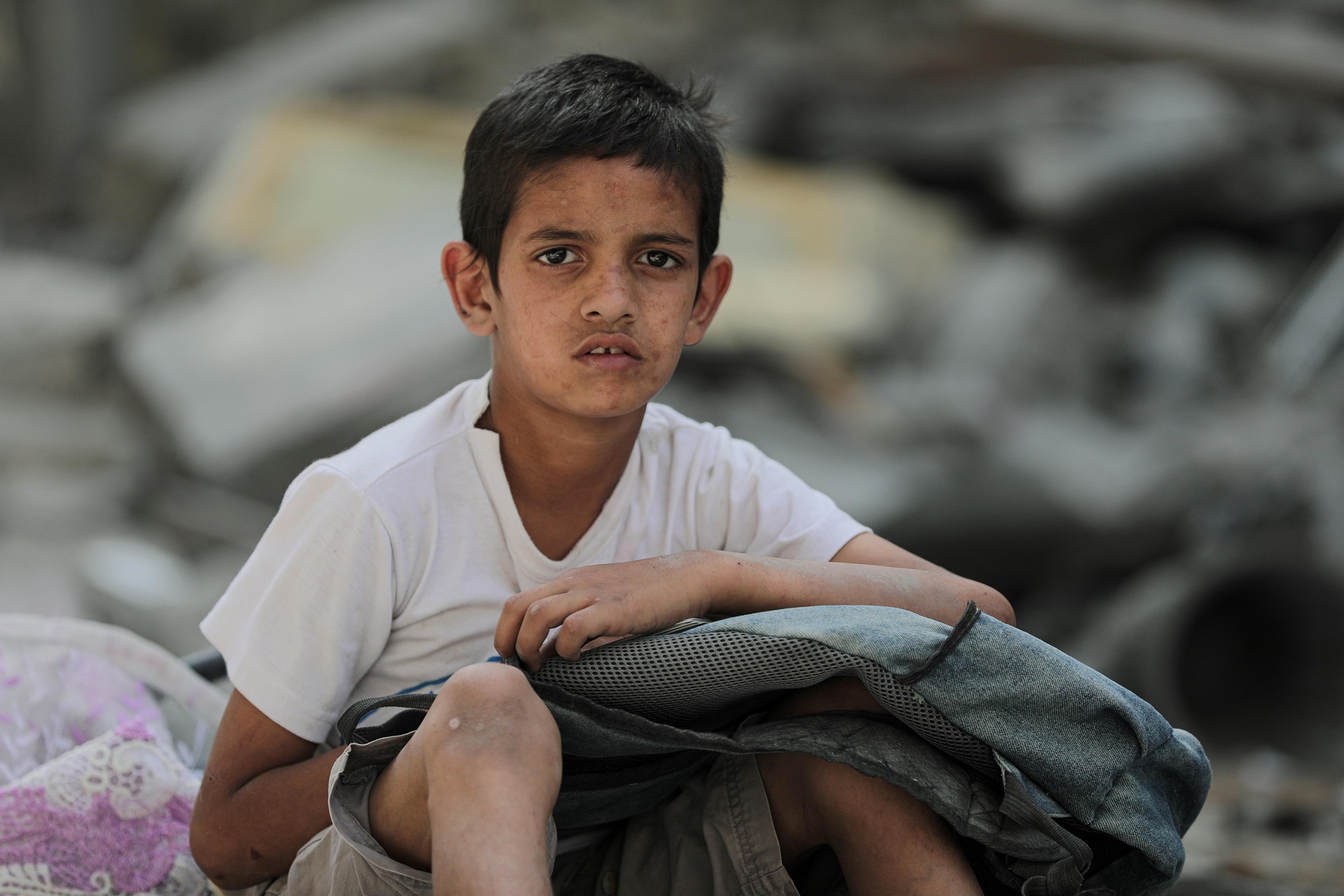
Patients leaving surgery received home supplies and post-care check-in support.
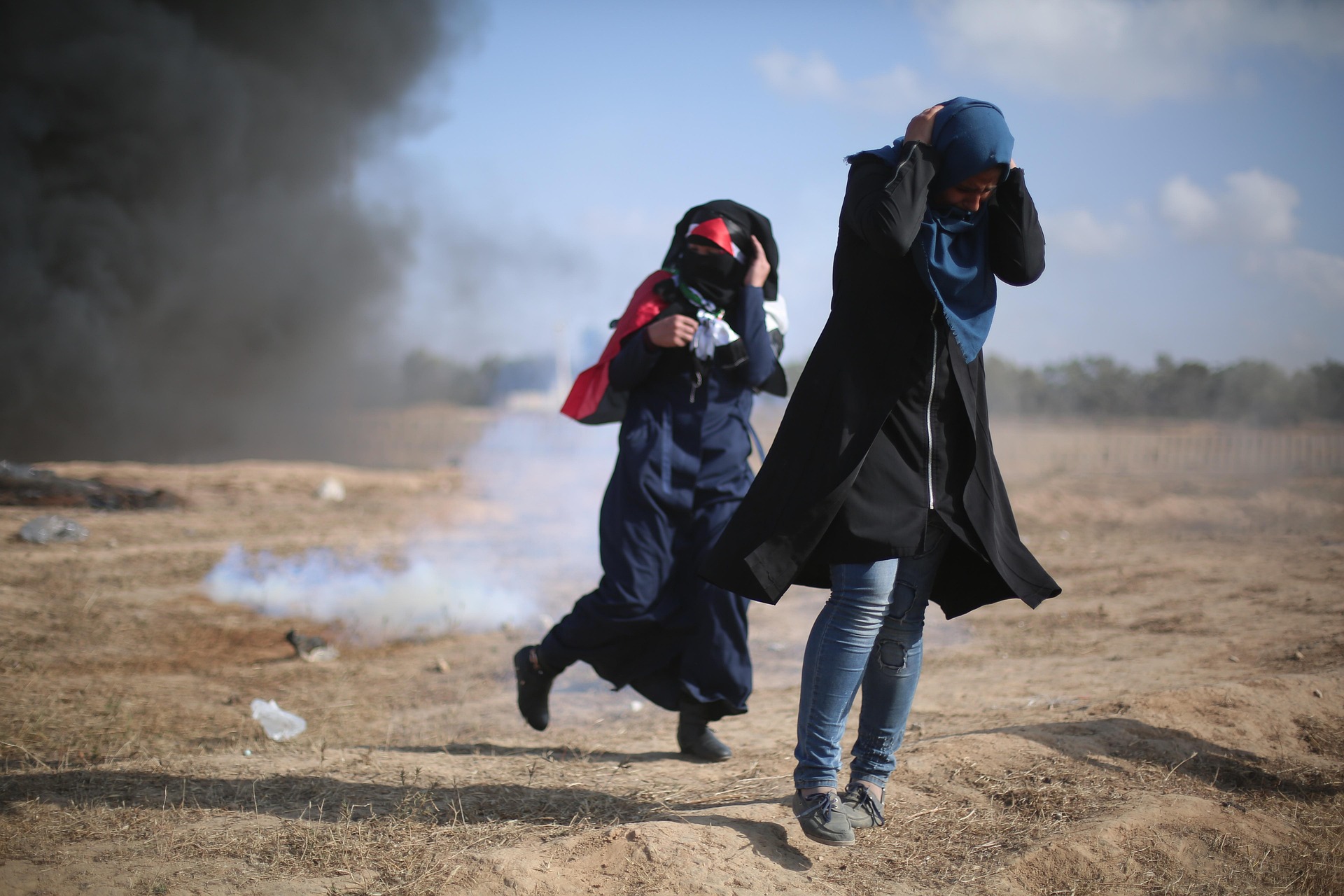
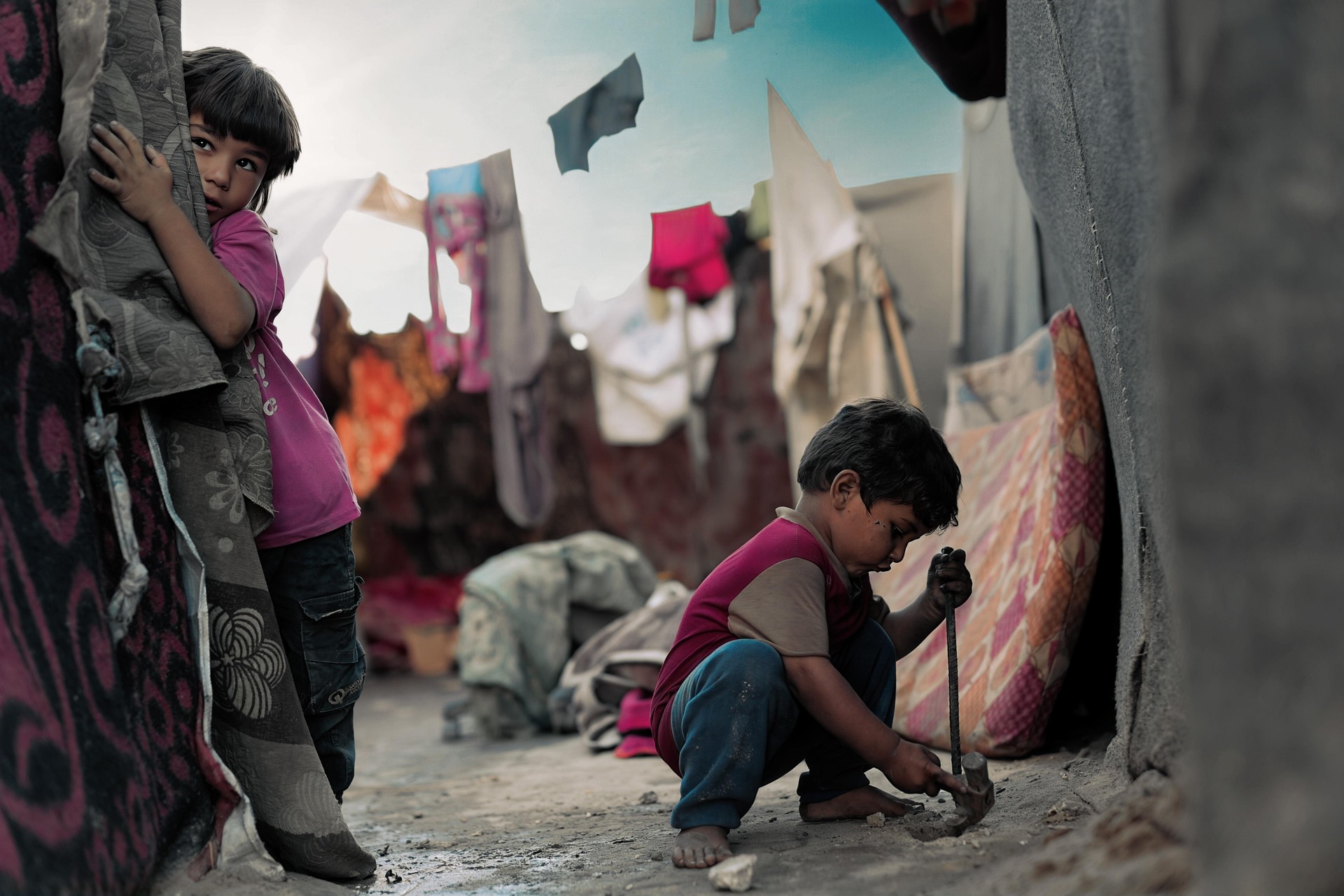
Donor funds cleared treatment deposits and specialist review fees.
Monthly nutrition baskets supported patients struggling with treatment-related weakness.
Imaging and pathology invoices were settled for low-income families.
Coordinated rides helped patients attend radiotherapy and follow-up appointments.
Medication top-ups kept patients on schedule through treatment milestones.
Emergency grants helped families manage care costs during referral transfers.
Wound-care materials and home visits were funded after discharge.
Children received laboratory tests, nutritional support, and caregiver travel help.
Pop-up screening served waterfront communities and escalated urgent cases.
Navigation support helped patients move from diagnosis to confirmed treatment plans.
Verified families received final support needed to complete active treatment.
Hello, a HopeBridge customer representative can help with donations, campaign verification, or payment confirmation.